

The NYC Breakers: From Bronx Blueprint to Global Movement
Teamwork, peace, and disciplined training carried breaking from Bronx dance circles into school programs, competitions, film, television, international stages, and global sport.

From the Floor Masters to the NYC Breakers
The crew developed from the Floor Masters, whose framework emphasized specialized movement, teamwork, and structured performance. After witnessing their combination of footwork, style, speed, and power, a cultural producer recognized that breaking could reach audiences beyond neighborhood battles.
Each dancer mastered a specialty while contributing to coordinated routines. Pexster became a central power performer whose floats, backspins, combinations, flares and stage presence helped define the group’s visual identity.

From Bronx Circles to National Television
The original members’ appearance on The Merv Griffin Show marked, an important transition from neighborhood breaking to nationally broadcast entertainment. Their structured routines, individual specialties, coordinated fashion, and professional presentation, introduced wider audiences to breaking as a complete performance art.
Pexster’s power, speed, and controlled combinations became central features of the group’s visual presentation, demonstrating that Bronx dancers could command and control a professional television stage performance.
From Cultural Recognition to Civic Participation
The New York City Breakers’ 1983 Kennedy Center Honors performance. Placed Bronx breaking before a national performing-arts, audience and a sitting president. Presented in tribute to dance pioneer Katherine Dunham, it became an early institutional recognition; of hip-hop as a serious American art form. Kennedy Center history
In 1984, the crew also appeared in a youth voter-participation commercial, using breaking’s popularity to encourage civic engagement. Their involvement demonstrated that hip-hop performers could communicate, important social messages—not merely provide entertainment. Watch the voter campaign
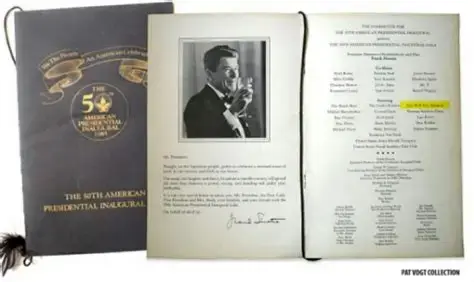
That journey continued at the 1985 Presidential Inaugural Gala, where young Black and Latino artists, from the Bronx performed before a national political audience. Their appearance represented a remarkable transition: a culture developed in overlooked communities had reached one of the country’s most visible ceremonial stages. Watch the gala performance
From the dance circle to the national stage, breaking became art, civic expression, and cultural representation.

Beat Street: The Battle That Took Breaking Worldwide
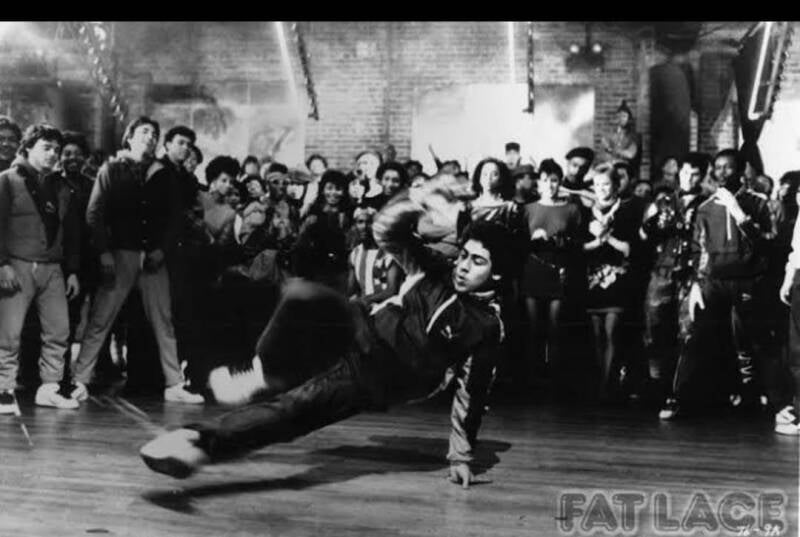
In the 1984 hip-hop classic Beat Street, Powerful Pexster appeared as a member of the New York City Breakers. He was not performing as a conventional fictional actor; he brought his own name, movement vocabulary, crew identity, and lived battle experience to the screen. The film’s celebrated Roxy battle placed authentic breaking behavior—competition, improvisation, musical response, and individual style—inside a dramatic story. Kennedy Center film history
Before breaking had an established professional framework, these first-generation artists. Demonstrated, how conflict could be redirected into creative competition. The circle offered another choice: battle through movement, respect the opponent, entertain the audience, and leave without violence. The film carried that message—and the broader cultures of MCing, DJing, graffiti, fashion, and breaking—to audiences around the world.
The film also connected b-boy culture with commercial media and footwear branding. Puma promotional materials featuring the film and its crews helped. Broadcast the b-boy look internationally, while the Puma Suede became closely. Associated with breaking’s movement and street style. History of the Puma Suede in breaking
Battle with creativity—not violence. Compete, create, and give the audience a show.
The film also presented breaking as a peaceful alternative to street violence: As Pexster writes, “It was time for all of us to unite and make peace in the mean streets of New York City.”
Source: Powerful Pexster, I Had a Dream: The New York City Breakers Story—How Breaking Developed into a Sport, Volume 1, Chapter 6, “Beat Street Stories of the Subculture Called Hip-Hop.”


The Backspin That Became a Brand
Pexster’s signature backspin became the central image of the New York City Breakers emblem. According to his firsthand account, the 1984 logo used early computer-assisted design to transform movement, into a recognizable visual identity.
The emblem represented more than a dance move. It connected power, style, teamwork, and professional presentation—helping establish an early business model. For branding, promotion, merchandise, and fair compensation for dancers.
Breaking as a Professional Enterprise
Pexster approached breaking as both an individual art and a team enterprise. He spent long hours practicing alone, writing complete sets, developing power moves, and combining dance, fashion, music, and stage presence into a recognizable personal identity.
Within the New York City Breakers, each member contributed specialty moves while following coordinated routines. Because Pexster performed a wide range of power combinations, major sections of the shows were built around his energy and visual impact. This established him as a principal performer and recognizable face of the group—not above the team, but as part of its shared presentation.
His model connected individual creativity with teamwork, branding, disciplined preparation, and professional compensation. It helped demonstrate how a breaker could maintain an original artistic identity while contributing to the success of an organized company.


B-Boy Fashion: Style, Identity, and Branding
The “B-Boy High Fashion” poster from the Break-Master album features Powerful Pexster as its model and documents an important stage in hip-hop’s visual development. His mock turtleneck, leather jacket and pants, gold nameplate, fisherman-style hat, gloves, and Adidas sneakers with thick laces demonstrate how dancers. Created recognizable identities through carefully assembled clothing.
B-boy fashion was functional as well as expressive. Clothing had to support movement while communicating confidence, originality, crew identity, and stage presence. Fashion therefore became part of the performance blueprint—joining dance, music, language, and visual presentation.
The poster also reflects how the hip-hop community transformed “b-boy” into a respected cultural identity. What began in Bronx dance circles became a worldwide language of movement and style. These dancers helped establish visual trends later adopted by recording artists, clothing companies, footwear brands, advertising, film, and popular culture.
The movement created the style. The style created the identity. The identity became a global brand.
From Published Rules to an Olympic Vision
In 1984, the New York City Breakers helped present breaking as a disciplined performance art. Through television, theater, educational media, and commercial publications. During NBC’s Salute to the Olympics, the crew symbolically connected. Breaking with the Olympic movement, and signed a proclamation declaring their belief, that breaking could become a future Olympic sport.
Their manager, Michael Holman, documented this vision in Breaking and the New York City Breakers. The book proposed an early competition framework, with rules for solo and crew battles and recognition of different regional styles. The crew did not compete in the Olympic Games, but its performance, proclamation, and published rules represented an important early campaign for Olympic recognition.
Four decades later, breaking debuted at the Paris 2024 Olympic Games. Its international development involved many organizations and generations, but the NYC Breakers’ early advocacy remains part of the documented history that helped imagine breaking as a global competitive sport.
Sources:


"The NYC Breakers didn't just dance; they laid the foundation for a global cultural phenomenon, proving that breaking is more than moves—it's a way of life."
Powerful Pexster: Hip-Hop Power-Move Pioneer