

The Bronx Origins of a Breaking Pioneer
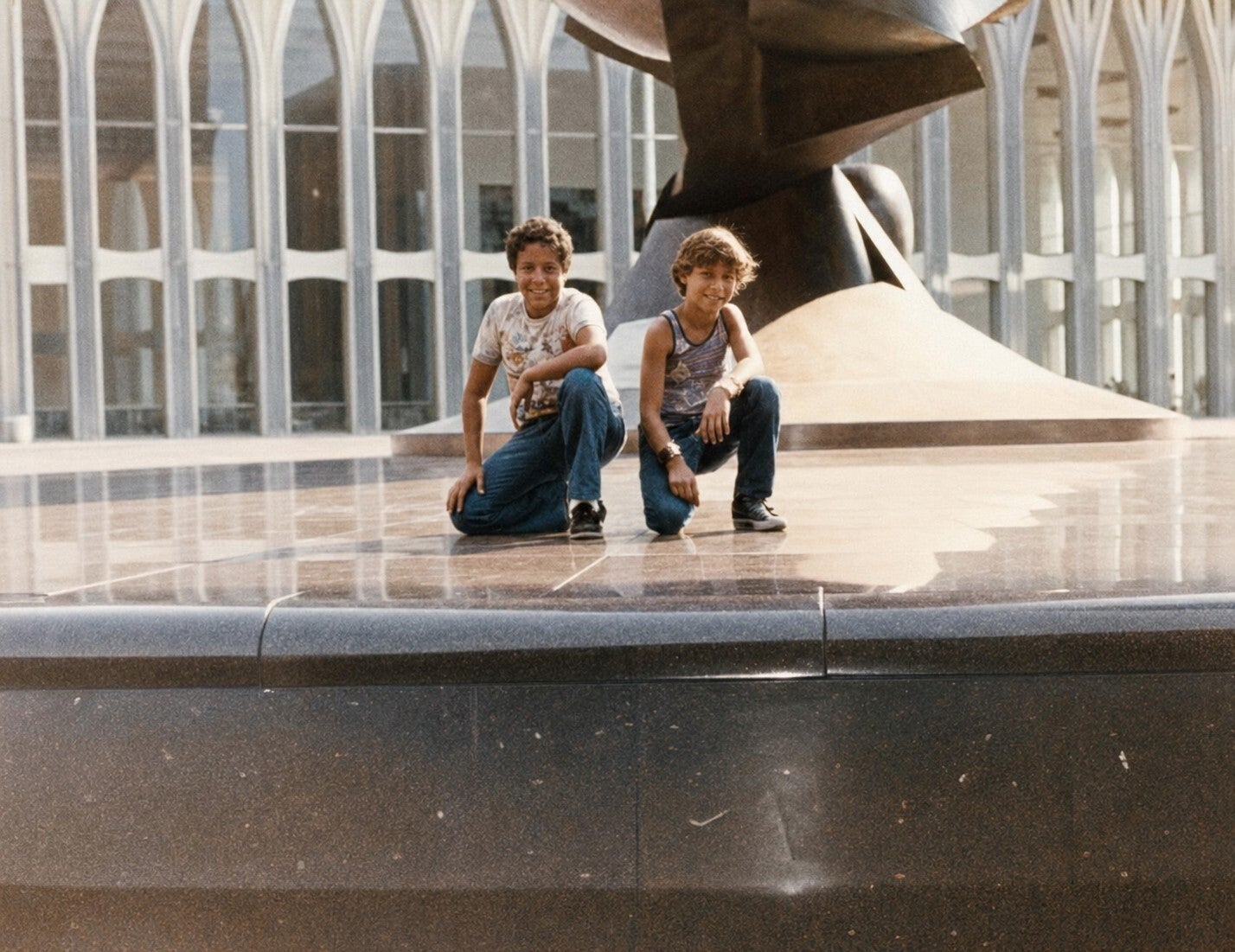
Before the crews and worldwide performances, Pexster was a six-year-old child discovering rhythm, movement, culture, and unity on the Highbridge section in the Bronx. His journey began in 1973 through neighborhood gatherings, school hallways, talent shows, television after-school programs, gymnastics, martial arts, and friendly battles.

Foundational Experiences That Forged a Pioneer
Pexster began dancing as a child, spinning on the floor, mimicking soul train dancers, and musicals seen on television. Moving among diverse Bronx communities as an English-speaking child, he was a “crossover person,” using dance as a shared language. Instead of fighting, they danced—redirecting conflict into creativity and peaceful competition.
His development occurred within a Bronx shaped by the Great Migration. The same neighborhoods where DJ Kool Herc invented a new mixing technique on Highbridge. Included cross over pioneers such as Tracy 168 and Mr. Freeze. At P.S. 073 Bronx, cafeteria floors became lunchtime dance circles, while students stepped out of hallway lines to exchange moves. Because breaking was not yet recognized as an art form, teachers sometimes mistook these challenges for fighting and assigned detention. This wider cultural network helped give rise to breaking and Hip Hop globally.
The Conscious Choice: From Gang Pressure to Creative Purpose
Pexster combined gymnastics, martial arts, and Bronx dance knowledge to develop strength, balance, creativity, and self-control. In neighborhoods shaped by gang activity and peer pressure, breaking offered another power move—the conscious choice to dance instead of fight. He redirected physical energy into disciplined footwork, combinations, freezes, and power moves, helping shape an early blueprint for modern breaking.
The program promotes decision-making, belonging, de-escalation, and violence prevention. It offers schools, government agencies, community organizations, and sponsors a culturally relevant approach to positive youth development. While connecting young people requiring mental-health care with qualified services.
Research identifies delinquent peer association as a risk factor, while caring adults, structured activities, and school connectedness provide protection. OJJDP gang research · CDC protective factors · SAMHSA trauma-informed support

From Childhood Play to Education and Global Sport
Pexster recognized breaking’s potential beyond childhood play. Even when dismissed as a passing phase in the early 1980's, he continued training, writing structured sets, and developing complete routines for performance and competition, becoming a household name.
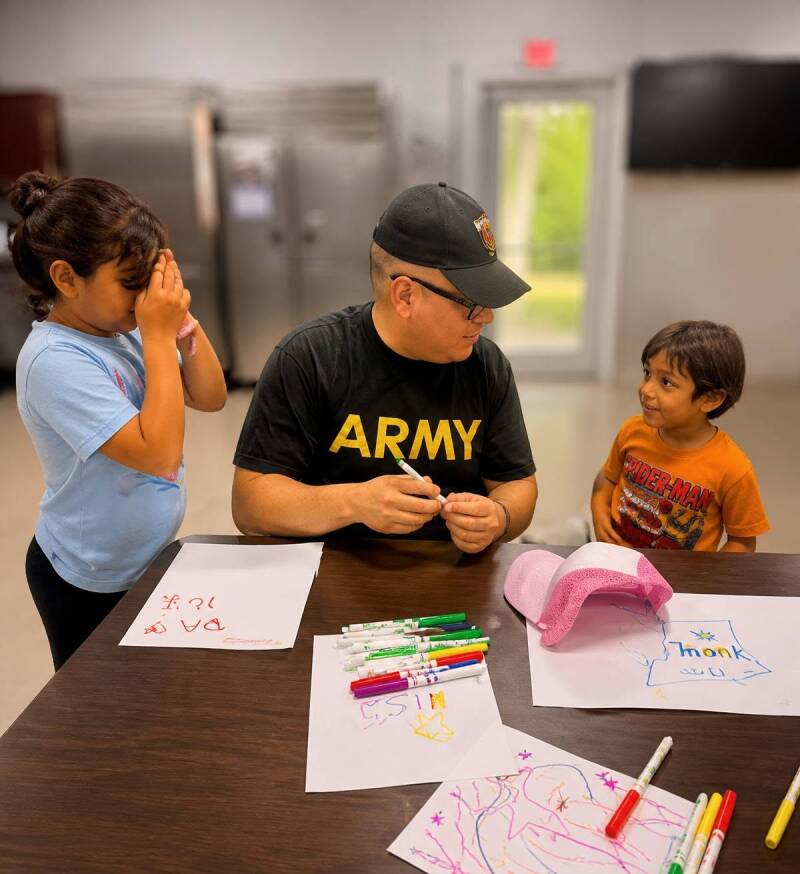
He decided that after-school programs, recreation centers, and summer camps were essential to breaking’s early development. Pexster continues that tradition through youth outreach programs, including a free Orange County summer initiative with the Shelion Foundation and the Gloves Up, Brooms Down program. These programs combine movement, cultural history, mentorship, fitness, and peaceful competition—providing safe spaces for discipline, confidence, and purpose.
His long-term vision is to expand this model internationally through cross-cultural partnerships. Connecting schools, governments, youth organizations, and breaking communities worldwide.
From Cultural Expression to Opportunity
Today, Pexster’s Beat the Street Initiative and Peace Factory framework use breaking to promote mentorship, mental-health awareness, Social-Emotional Learning (SEL), and crime- and violence-prevention programs. Hip-hop can also create professional pathways in art, education, entertainment, business, and competitive sport. Breaking made its Olympic debut at Paris 2024 and returns at the Dakar 2026 Youth Olympic Games. Inclusion at Brisbane 2032 may remain under development. WDSF Olympic pathway
Informed by CDC and SAMHSA principles, this culturally responsive approach offers schools, agencies, foundations, and corporate partners a meaningful opportunity to invest in youth development and safer communities.
“Pexster’s early journey reminds us that legendary movements can begin with humble circumstances, shared creativity, and a simple passion to move.
Powerful Pexster: Hip‑Hop Power‑Move Pioneer