

Three Extraordinary Years.

A Remarkable Rise, a Lasting Legacy
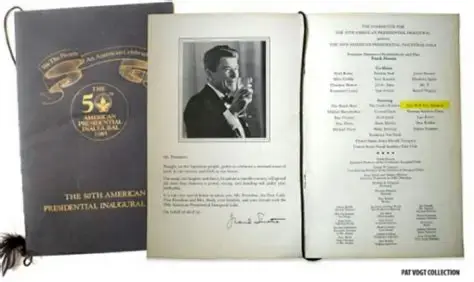
From The Merv Griffin Show to the 1985 presidential inaugural celebration, NYC Breaker Powerful Pexster had reached television, film, and international audiences in approximately two years' time. An NBC special honoring the U.S. Olympic team provided a platform to advocate, for breaking as a competitive sport—decades before its Olympic debut at Paris 2024.
From Bronx Beginnings to a Wider Stage
The journey began in the early 1970's with Tony's Commodore Crew, whose members later joined fellow dancers to form the Floor Masters. This photograph captures a 1982 breaking battle at Negril in downtown Manhattan, connected Michael Holman's, DJing, MCing, and graffiti culture. Such gatherings helped bring hip-hop’s, interconnected cultural expressions to wider audiences. That same year, the Floor Masters who each had a specialty move appeared on That’s Incredible!, introducing their creativity and athleticism to national television viewers. These milestones preceded the New York City Breakers’ rise and helped carry breaking beyond neighborhood dance circles.

1982 Breaking Battle at Negril
When the Bronx Reached National Television
An independent spirit focused on dance, Powerful Pexster developed his reputation; in Bronx dance circles and Manhattan clubs during 1982–1983. He performed with Rockers Revenge, competed at venues such as Fun House, Roseland Roxy's and won a school talent show alongside Mr. Freeze.
Joining the New York City Breakers brought former rivals together without diminishing his individuality. Their appearance on The Merv Griffin Show led to wider exposure through film, television, and international performances.

From Cultural Recognition to Civic Participation
The 1983 Kennedy Center Honors performance. Placed Bronx Breaking before a national performing-arts, audience and a sitting president. Presented in tribute to dance pioneer Katherine Dunham, it became an early institutional recognition; of hip-hop as a serious American art form. Kennedy Center history

From Cultural Recognition to Civic Participation
In 1984, the group also appeared in a youth voter-participation commercial, using breaking’s popularity to encourage civic engagement. Their involvement demonstrated that hip-hop performers could communicate, important social messages—not merely provide entertainment. Watch the voter campaign
That journey continued at the 1985 Presidential Inaugural Gala, where young Black and Latino artists, from the Bronx performed before a national political audience. Their appearance represented a remarkable transition: a culture developed in overlooked communities had reached one of the country’s most visible ceremonial stages. Watch the gala performance
From the dance circle to the national stage, breaking became art, civic expression, and cultural representation.
The Backspin That Became a Brand
Powerful Pexster’s trademark backspin became the central image of the New York City Breakers emblem. The 1984 logo used early computer-assisted design to transform movement, into a recognizable visual identity.
The emblem represented more than a dance move in 1984. It connected power, style, teamwork, and professional presentation—helping establish an early business model. For branding, promotion, merchandise, and fair compensation for dancers.
From the Dance Floor to a Professional Enterprise
Tony “Powerful Pexster” Lopez approached breaking as both an art form and a professional discipline. His backspin silhouette became a visual signature on emblems and record covers.
Projects such as the Break-Master album show how breaking extended. From live performance into recorded music, dance instruction, and visual branding. Together with organized competition, these ventures linked individual creativity and disciplined preparation to new professional opportunities.

Break-Master: A Vision Beyond the Screen
Released amid the cultural momentum of Beat Street, Break-Master introduced audiences to breaking through music, instruction, fashion, and competition. Its foldout poster combined dance steps, DJ techniques, vocabulary, and rules—presenting hip-hop as a culture to understand and practice.
The “B-Boy High Fashion” panel featured Powerful Pexster, showing how dancers expressed originality and identity through clothing and presentation. It connected movement, sound, language, and style in one educational resource.
Style, Branding
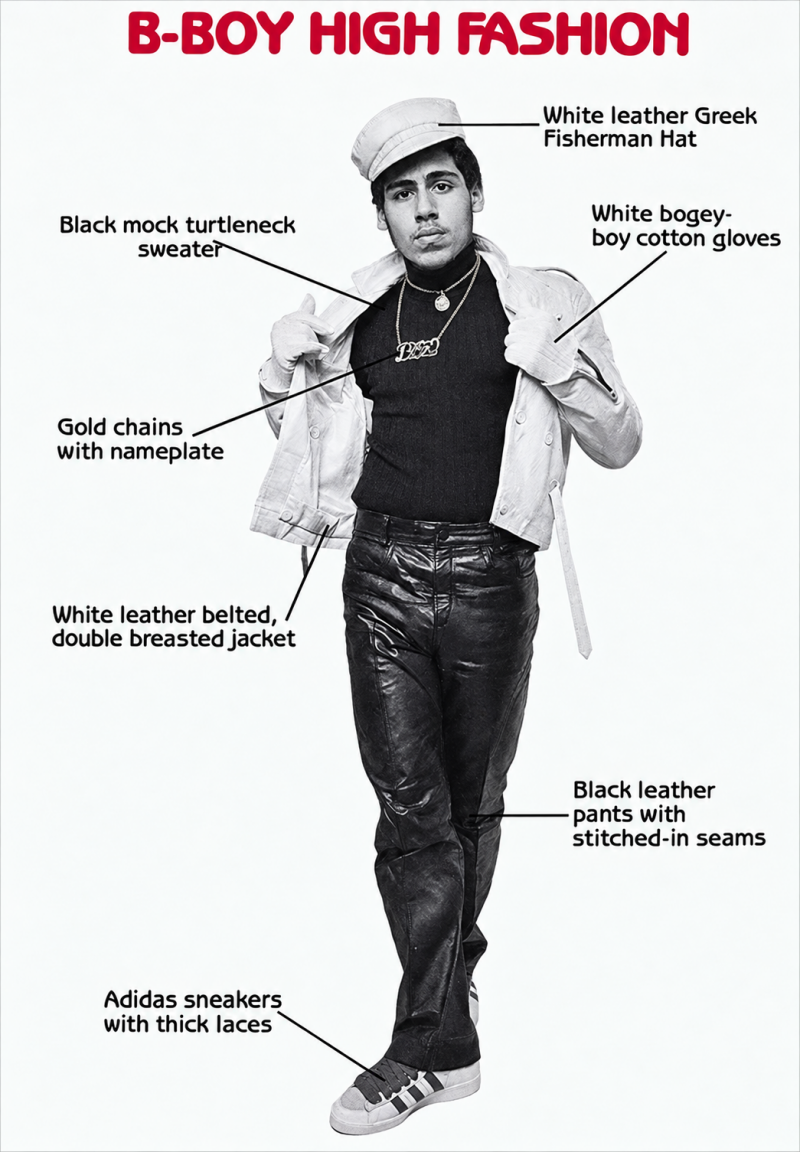
Michael Holman’s promotional vision helped establish this professional approach. Pexster credits David Singer and the legal team with business organization, corporate relationships, and trademark development—linking artistic expression to professional opportunity.
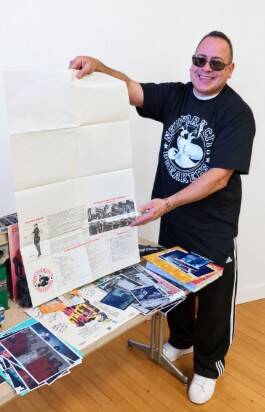
The photograph below shows Pexster in 2023 holding the original foldout poster, a treasured artifact of that vision. Together, these images connect hip-hop’s early cultural education to the ongoing work of preserving its history.
From Published Rules to an Olympic Vision
An Early Vision for Olympic Breaking
In 1984, the New York City Breakers performed on NBC’s special honoring the U.S. Olympic team and signed a proclamation envisioning breaking as a future Olympic sport. Their ambition connected its, creative expression with recognition of breakers as athletes.
Michael Holman documented this vision in Breaking and the New York City Breakers (1984), including proposed rules for individual and crew competitions. Alongside instructional materials such as the View-Master collections, the book helped communicate breaking’s techniques, history, and competitive possibilities.
Breaking’s Olympic debut at Paris 2024 followed decades of work by dancers and organizations worldwide. The crew’s early advocacy remains a documented part of that larger history.
Sources:


Loss, Resilience, and Return
Following a fellow member’s passing, in 1984, the group disbanded, leaving memories of friendship and shared ambition. Tony “Powerful Pexster” Lopez recalls returning to theater in 1992 through So What Happens Now, followed by the New York City Breakers’ re-emergence in 1993. His forthcoming I Had a Dream, Volume 2 reflects on this journey of loss and creative renewal.
